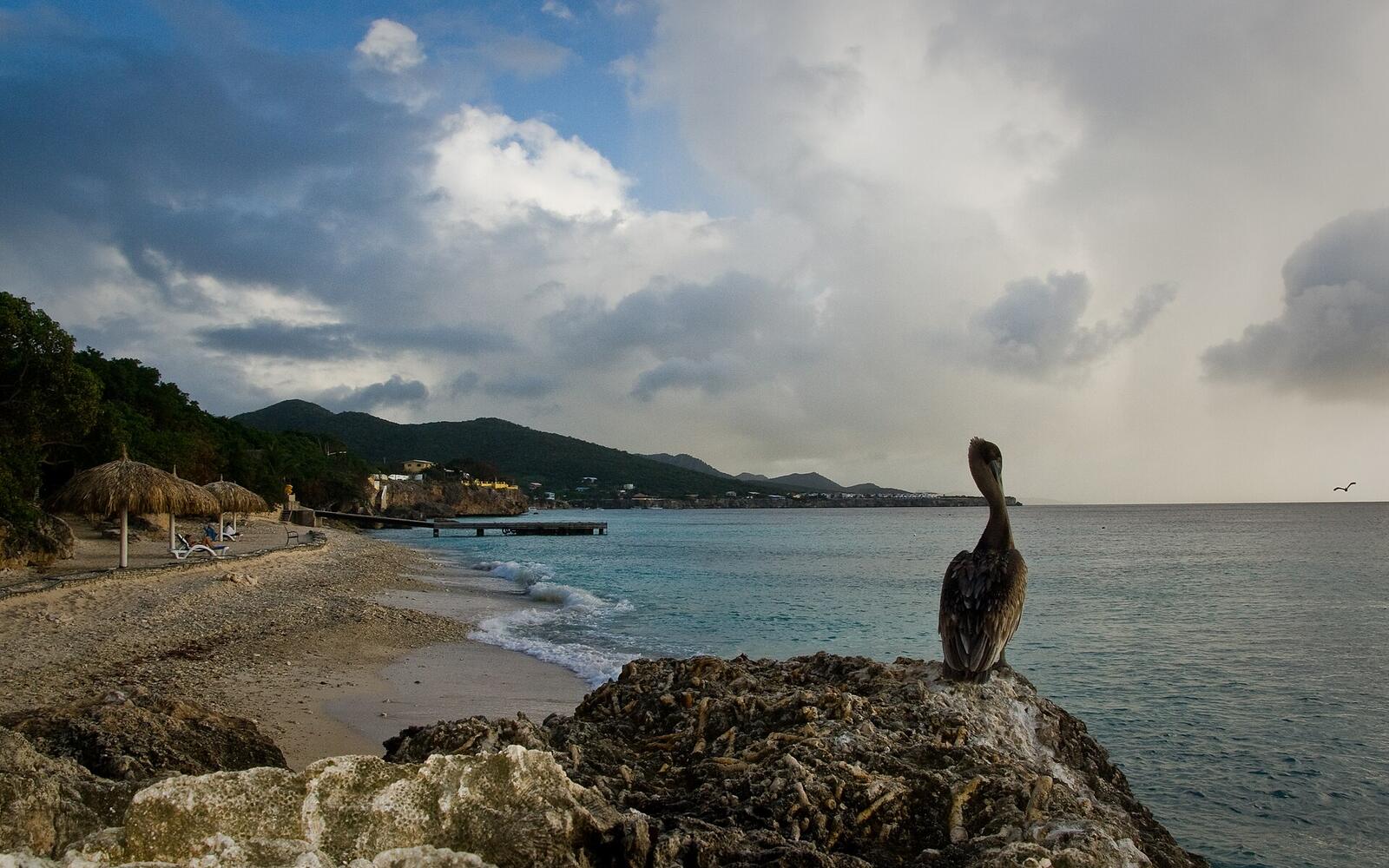
For most visitors, a hire car is what turns a resort stay into a proper island trip. Curaçao's best beaches, from Cas Abao to Playa Kenepa, and sights like Christoffel Park and Shete Boka are spread along the west and north, far from regular buses. With a car you can be on the sand before the tour buses arrive.
Booking a car
You will find international brands and many local companies, at the airport and in the resort areas. Prices vary a lot by season, so book early for Christmas, carnival, Easter and the Dutch summer holidays. Comparison sites make it easy to see airport and local options side by side: start with DiscoverCars, which also lets you filter by deposit, fuel policy and free cancellation.
- Licence: a valid licence in Dutch or English is generally enough; Dutch and Belgian licences are fine. If your licence is in another language or script, bring an International Driving Permit.
- Age: many companies set a minimum age of 21 to 23 and charge extra for young drivers. Check before you book.
- Deposit: most companies want a credit card in the main driver's name for the security deposit.
- Car type: a small car is fine for paved roads. Some beach and park access roads are unpaved; check whether your rental terms allow them.
Driving rules that catch visitors out
Traffic drives on the right and signs follow the European style, so Dutch and Belgian drivers will feel at home. A few local rules matter:
- T-junctions: traffic on the through road has priority, even if you are coming from the right. Local guides say ignoring this is the most common cause of tourist collisions.
- Roundabouts: priority differs from one roundabout to the next. Look for give-way markings and signs rather than assuming.
- No right turn on red.
- Speed limits: generally 40 km/h in built-up areas, 60 km/h outside town and up to 80 km/h on the larger four-lane roads. Follow posted signs.
- Overtaking on the right is allowed on roads with two lanes in each direction, so check both mirrors.
- Seat belts are compulsory, handheld phones are not allowed and drink-driving rules are strict.
Insurance, parking and safety
Read what the basic rental insurance covers and how high the excess (deductible) is. You can buy extra cover from the rental company or the booking site; some travel insurance policies also include rental-car excess cover. Take photos of the car at pick-up and drop-off.
Most beaches have free or cheap parking; a few private beaches charge an entrance or parking fee. Car break-ins happen at quiet beach car parks, so never leave bags, phones or passports in the car, and leave the glovebox open if it is empty. In Willemstad, paid parking is available around Punda and Otrobanda.
Frequently asked questions
Can I drive in Curaçao with a Dutch or Belgian licence?
Yes. A valid licence in Dutch or English is generally accepted; you don't need an International Driving Permit.
Which side of the road do they drive on in Curaçao?
On the right, as in the Netherlands and Belgium.
Some links on this page are affiliate links. If you book through them we may earn a small commission at no extra cost to you. Learn more.