By the welcomecuracao.com team · Updated 8 September 2026
Papiamentu is the mother tongue of most people on Curaçao and an official language of the island, alongside Dutch and English. It is a creole language with roots in Portuguese and Spanish, mixed with Dutch, English and West African and indigenous influences. On Aruba it is spelled Papiamento; on Curaçao and Bonaire, Papiamentu.
You'll manage perfectly well with English or Dutch, and many people speak Spanish too. But a greeting or a thank-you in Papiamentu always earns a smile. The island itself is called Kòrsou.
Greetings and basics
Greeting people properly matters on Curaçao. When you walk into a shop, a snack bar or even a waiting room, start with a "bon dia" or "bon tardi" before you ask anything.
| Papiamentu | English |
|---|---|
| Bon bini! | Welcome! |
| Bon dia | Good morning |
| Bon tardi | Good afternoon |
| Bon nochi | Good evening / good night |
| Kon ta bai? | How are you? |
| Mi ta bon, danki. I abo? | I'm fine, thanks. And you? |
| Danki / Masha danki | Thank you / Thank you very much |
| Di nada | You're welcome |
| Por fabor | Please |
| Si / No | Yes / No |
| Dispensá | Excuse me / sorry |
| Ayo | Goodbye |
| Te aworo | See you later |
| Pasa un bon dia | Have a nice day |
| Mi nòmber ta… | My name is… |
Out and about: food, shops and directions
These come in handy at the snack bar, at a market stall or when you're looking for that hidden beach road.
| Papiamentu | English |
|---|---|
| Kuantu e ta kosta? | How much does it cost? |
| Unda ta…? | Where is…? |
| Unda e baño ta? | Where is the toilet? |
| Mi ke… | I would like… |
| Un serbes, por fabor | A beer, please |
| Awa | Water |
| Playa | Beach |
| Bon probecho | Enjoy your meal |
| Salú! | Cheers! |
| Bo ta papia ingles? | Do you speak English? |
| Mi no ta komprondé | I don't understand |
| Poko poko | Slowly, little by little |
A few extras for a beach day: laman means sea, so Mi ta bai na laman is "I'm going to the sea". Mi tin hamber means "I'm hungry", always useful when the snack bar comes into view. And if someone asks how you are enjoying the island, hopi bon! is the perfect answer. Mixing in a word or two while you speak English is completely normal here.
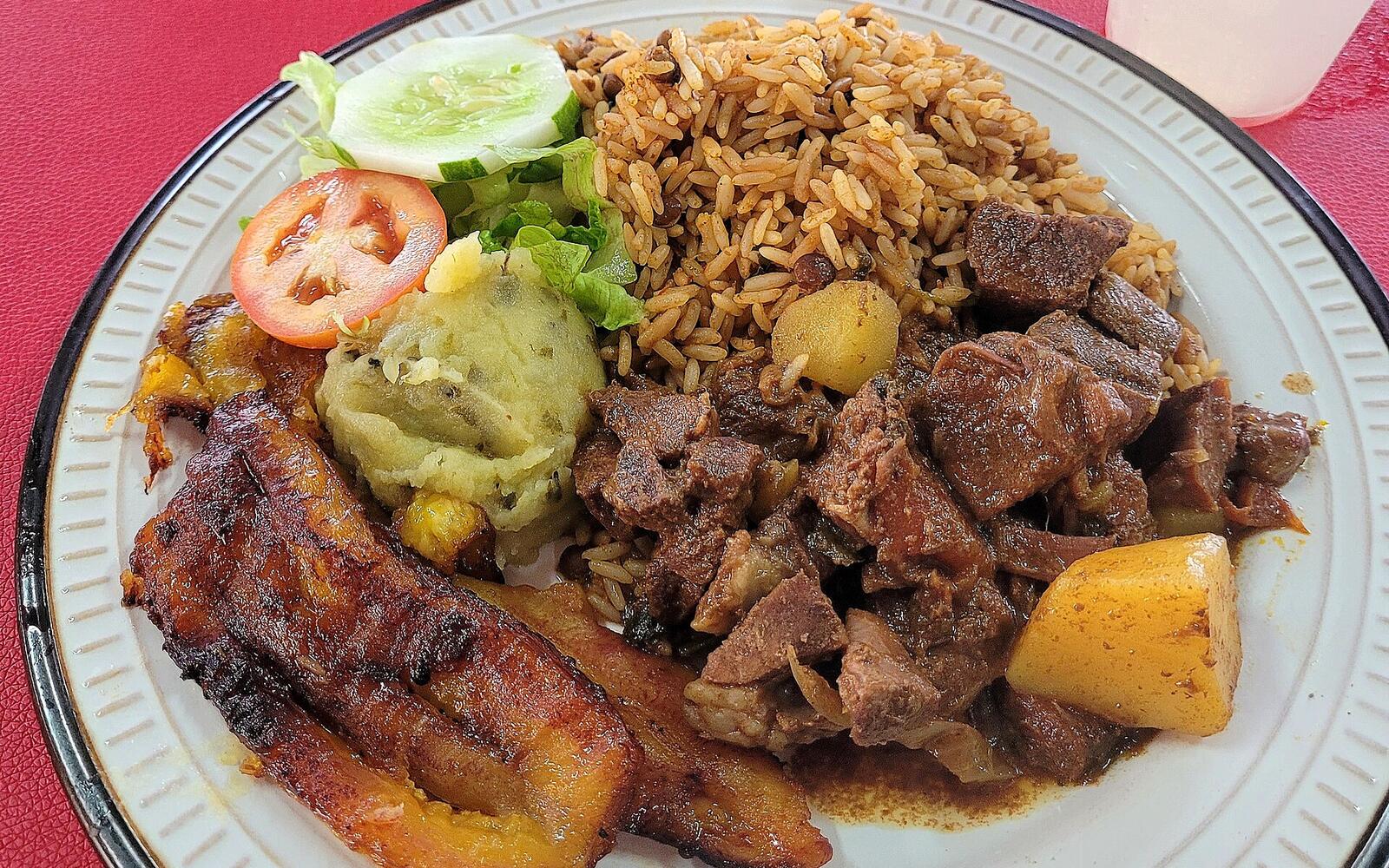
Food words are worth learning too. Look out for pastechi (savoury filled pastries), keshi yená (stuffed cheese), stoba (stew), funchi (a cornmeal side dish) and sòpi (soup). Our Curaçao food guide explains what to order, and a guided food tour in Willemstad is a fun way to taste and learn at the same time: compare tours on GetYourGuide, or compare on Viator.
Local favourites and pronunciation
Dushi: the island's favourite word
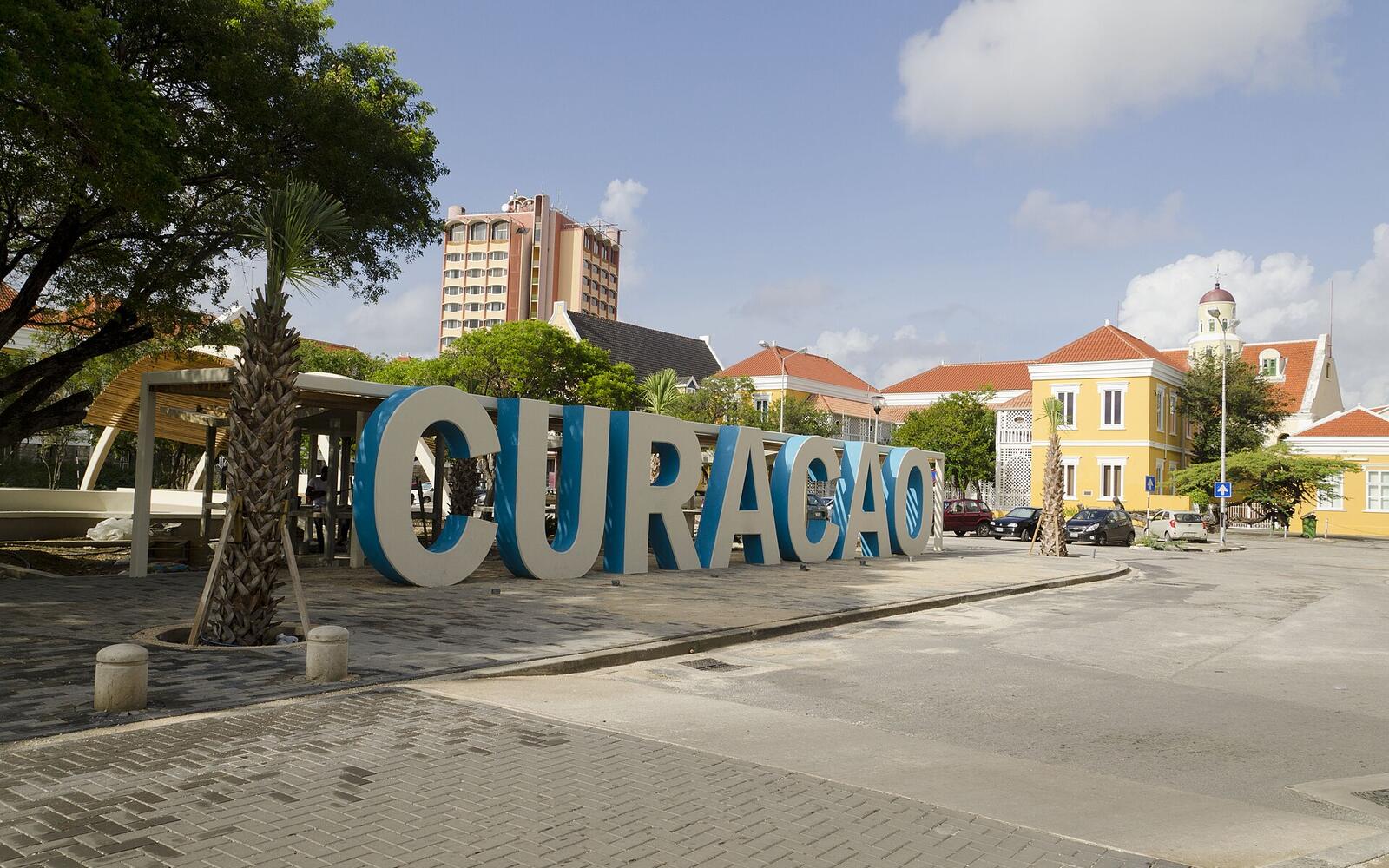
You will hear dushi everywhere. It means sweet, nice, delicious or lovely, and it's also a term of affection for a partner, a child or a good friend. Kòrsou ta dushi means "Curaçao is lovely", and you'll see "dushi" on T-shirts and the colourful letters that are a favourite photo spot. Other useful words: hopi bon (very good) and ban! (let's go!).
How to pronounce it
- Papiamentu on Curaçao is mostly written as it sounds, so reading it aloud usually works.
- u sounds like the "oo" in "food": danki is "DAHN-kee", aworo is "ah-WOH-roh".
- ch is as in "church" (nochi), and sh as in "shop" (dushi, masha).
- y is as in "yes" (ayo), and ñ as in Spanish (baño).
- Accents show stress or a different vowel sound, as in dispensá and Kòrsou.
Practise your new phrases on a walk through Willemstad, a lunch stop on the west coast or a visit to Landhuis Chobolobo, home of the Curaçao liqueur. Planning your days? Our 7-day itinerary has plenty of opportunities. And if you're also visiting the neighbours, see Aruba, Bonaire or Curaçao; you'll hear the same language there, with small differences in spelling and words.
Tours: Papiamentu Phrases for Your Trip to Curaçao
Compare guided trips, transfers and tickets.
Frequently asked questions
What language do they speak in Curaçao?
Papiamentu is the most widely spoken language. Dutch and English are also official languages, and Spanish is widely understood.
Do I need to speak Papiamentu in Curaçao?
No. You can get by with English or Dutch almost everywhere. Learning a few greetings is polite and always appreciated.
What does dushi mean?
Dushi means sweet, nice, delicious or lovely. It is also used as a term of endearment, a bit like 'sweetheart'.
What is the difference between Papiamentu and Papiamento?
It's the same language. Curaçao and Bonaire use the spelling Papiamentu, while Aruba uses Papiamento, with some differences in spelling and vocabulary.
Header photo: Photo: Boris Kasimov from Toronto, Canada, CC BY 2.0
Some links on this page are affiliate links. If you book through them we may earn a small commission at no extra cost to you. Learn more.